May 15, 2026
August 12, 2026
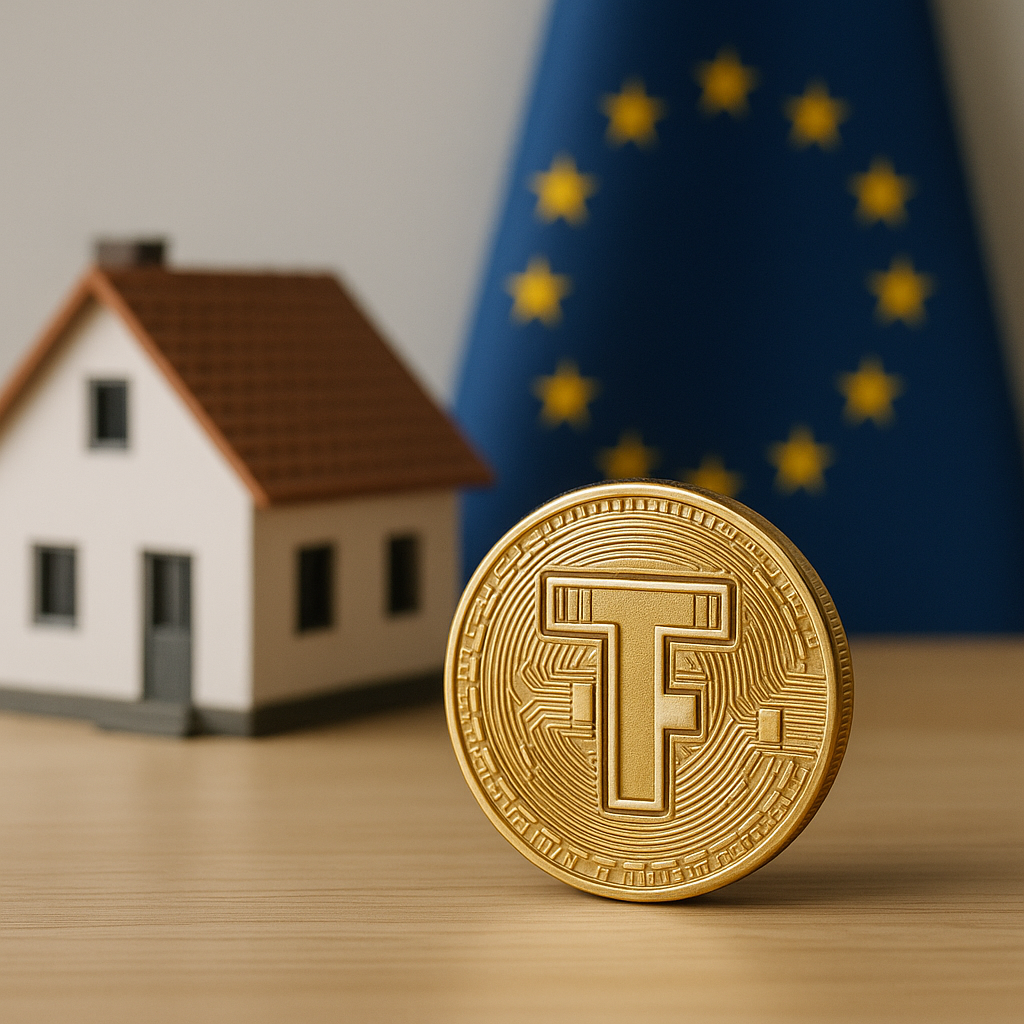
In the ever-evolving world of finance, the tokenization of real-world assets stands as a beacon of innovation, offering a transformative approach to asset management and investment. As blockchain technology continues to mature, the potential to tokenize assets such as real estate, art, and commodities is becoming increasingly viable. However, navigating the regulatory landscape in Europe is crucial for ensuring compliance and unlocking the full potential of this technology. This comprehensive guide will delve into the intricacies of asset tokenization, providing financial professionals with the insights needed to embark on this journey.
Asset tokenization refers to the process of converting rights to a real-world asset into a digital token on a blockchain. This digital representation allows for fractional ownership, increased liquidity, and enhanced transparency. For instance, a piece of real estate can be divided into multiple tokens, each representing a share of the property. This democratizes access to high-value assets, enabling smaller investors to participate in markets previously dominated by large institutions.
The concept of tokenization is akin to the securitization process in traditional finance, where assets are pooled and converted into securities. However, tokenization leverages blockchain's decentralized nature to provide a more efficient, secure, and accessible framework. According to a report by Deloitte, the global tokenization market is expected to grow significantly, driven by the increasing adoption of blockchain technology across various sectors.
Tokenization offers numerous benefits, including enhanced liquidity, improved transparency, and reduced transaction costs. By breaking down assets into smaller, tradable units, tokenization facilitates easier buying and selling, thus increasing market liquidity. This is particularly beneficial for traditionally illiquid assets like real estate or fine art.
Furthermore, blockchain's immutable ledger ensures transparency and traceability, reducing the risk of fraud and enhancing investor confidence. According to a study by PwC, tokenization can reduce transaction costs by up to 80% by eliminating intermediaries and streamlining processes. These advantages make tokenization an attractive proposition for both asset owners and investors.
The regulatory environment in Europe is complex, with each country having its own set of rules governing asset tokenization. However, the European Union (EU) has been proactive in establishing a cohesive framework to foster innovation while ensuring investor protection. The EU's Markets in Crypto-Assets (MiCA) regulation, expected to come into effect in 2024, aims to provide legal clarity and harmonize regulations across member states.
MiCA will introduce licensing requirements for crypto-asset service providers and establish rules for stablecoins, which are often used in tokenization projects. The regulation also emphasizes transparency, mandating detailed whitepapers for token offerings. This regulatory clarity is expected to boost investor confidence and drive the adoption of tokenization in Europe.
Several regulatory bodies play a crucial role in shaping the tokenization landscape in Europe. The European Securities and Markets Authority (ESMA) is responsible for ensuring the stability of the EU's financial system and has been actively involved in developing guidelines for crypto-assets. Additionally, the European Central Bank (ECB) monitors the impact of digital assets on monetary policy and financial stability.
National regulators, such as the Financial Conduct Authority (FCA) in the UK and the Autorité des Marchés Financiers (AMF) in France, also have specific guidelines for tokenization. These bodies work in tandem with EU regulations to ensure a balanced approach that fosters innovation while protecting investors. Understanding these frameworks is essential for compliant tokenization in Europe.
The first step in tokenizing an asset is identifying a suitable candidate and determining its value. Not all assets are ideal for tokenization; factors such as market demand, asset liquidity, and regulatory considerations must be evaluated. For example, real estate is a popular choice due to its high value and potential for fractional ownership.
Valuing the asset accurately is crucial, as it determines the token's price and attractiveness to investors. This process often involves traditional valuation methods, such as discounted cash flow analysis or comparable market analysis, tailored to the specific asset class. Engaging with professional appraisers and legal experts can ensure a robust valuation process.
Selecting an appropriate blockchain platform is a critical decision that impacts the tokenization project's success. Factors to consider include scalability, security, transaction speed, and cost. Ethereum is a popular choice due to its robust smart contract capabilities and large developer community. However, other platforms like Binance Smart Chain and Polkadot offer unique advantages, such as lower fees and interoperability.
It's essential to assess the platform's compatibility with regulatory requirements, as some blockchains offer built-in compliance features. Collaborating with blockchain experts can provide valuable insights into the technical aspects and help align the platform choice with the project's goals.
Compliance with legal and regulatory requirements is paramount in the tokenization process. This involves understanding the specific regulations applicable to the asset class and jurisdiction. Legal experts can assist in drafting comprehensive documentation, such as prospectuses and token offering memorandums, to ensure transparency and investor protection.
Additionally, obtaining necessary licenses and approvals from regulatory bodies is crucial. This may include registering the token as a security or obtaining a crypto-asset service provider license under MiCA. Staying abreast of regulatory developments and maintaining open communication with regulators can facilitate a smooth compliance process.
Smart contracts are the backbone of asset tokenization, automating processes such as token issuance, distribution, and compliance checks. Developing robust smart contracts requires collaboration between legal and technical teams to ensure they align with regulatory requirements and business objectives.
Testing and auditing smart contracts are essential to identify vulnerabilities and ensure security. Engaging with third-party auditors can provide an additional layer of assurance. Once deployed, smart contracts operate autonomously, reducing the need for intermediaries and enhancing efficiency.
Effective management of token distribution and ownership is crucial for a successful tokenization project. This involves setting up a secure and user-friendly platform for investors to purchase and trade tokens. Ensuring compliance with know-your-customer (KYC) and anti-money laundering (AML) regulations is essential during the distribution process.
Maintaining a transparent and accurate record of token ownership is vital for investor confidence. Blockchain's immutable ledger provides a reliable solution, enabling real-time tracking of ownership changes. Regular communication with investors and providing access to detailed reports can further enhance trust and engagement.
One of the primary challenges in asset tokenization is navigating the complex legal and regulatory landscape. Regulations vary across jurisdictions, and ensuring compliance can be a daunting task. The lack of standardized global regulations adds to the complexity, requiring token issuers to adapt to multiple legal frameworks.
Engaging with legal experts and maintaining open communication with regulators can help mitigate these challenges. Staying informed about regulatory developments and participating in industry forums can also provide valuable insights and facilitate compliance.
Technological challenges, such as scalability and interoperability, can hinder the tokenization process. Blockchain platforms must handle large volumes of transactions efficiently while ensuring security and reliability. The choice of blockchain platform can significantly impact these factors, necessitating careful consideration.
Interoperability between different blockchains and traditional financial systems is another challenge. Developing solutions that enable seamless integration and data exchange is crucial for the widespread adoption of tokenization. Collaborating with technology providers and participating in industry initiatives can help address these challenges.
Market acceptance and liquidity are critical factors for the success of tokenized assets. While tokenization offers increased liquidity, achieving sufficient market depth and investor participation can be challenging. Building a robust ecosystem of investors, exchanges, and service providers is essential to enhance liquidity.
Educating investors about the benefits and risks of tokenized assets can drive market acceptance. Providing transparent information and demonstrating successful use cases can build trust and encourage participation. Engaging with industry stakeholders and fostering collaboration can further enhance market acceptance.
In 2021, a landmark tokenization project in Germany involved the tokenization of a high-value real estate property in Berlin. The project leveraged blockchain technology to offer fractional ownership to investors, democratizing access to the lucrative real estate market. By partnering with a licensed financial institution, the project ensured compliance with German regulations and provided a secure investment platform.
The tokenization process involved a detailed valuation of the property, followed by the issuance of security tokens representing ownership shares. The project successfully attracted a diverse pool of investors, enhancing liquidity and market participation. This case study highlights the potential of tokenization to transform traditional asset markets and unlock new investment opportunities.
Another successful tokenization initiative took place in Switzerland, where a renowned art gallery tokenized a collection of valuable artworks. The project aimed to provide art enthusiasts and investors with fractional ownership of iconic pieces, enhancing access to the exclusive art market. By utilizing blockchain technology, the gallery ensured transparency and traceability of ownership.
The tokenization process involved collaboration with legal experts to navigate Swiss regulations and ensure compliance. The project attracted significant interest from both domestic and international investors, demonstrating the global appeal of tokenized assets. This case study underscores the versatility of tokenization across different asset classes and its potential to revolutionize traditional markets.
The future of asset tokenization is closely tied to advancements in blockchain technology. Emerging solutions, such as layer 2 protocols and cross-chain interoperability, promise to enhance scalability and reduce transaction costs. These innovations will enable more efficient and cost-effective tokenization processes, driving broader adoption across industries.
Additionally, the integration of artificial intelligence and machine learning with blockchain technology can enhance data analysis and decision-making. These advancements will provide valuable insights into market trends and investor behavior, enabling more informed investment strategies and risk management.
As the tokenization market matures, regulatory standards are expected to evolve to accommodate new developments and address emerging challenges. The introduction of MiCA and similar regulations will provide a clearer framework for tokenization, fostering innovation while ensuring investor protection.
Collaboration between regulators, industry stakeholders, and technology providers will be crucial in shaping these standards. Engaging in dialogue and participating in regulatory initiatives can help align industry practices with evolving regulations, facilitating compliant tokenization processes.
The growing adoption of tokenization presents significant opportunities for financial professionals and investors. As more asset classes become tokenized, new investment opportunities will emerge, offering diversification and enhanced returns. The ability to access previously illiquid markets will attract a broader range of investors, driving market growth.
Financial institutions and service providers can capitalize on this trend by developing innovative products and services tailored to the tokenization market. By embracing tokenization and leveraging its benefits, industry players can position themselves at the forefront of this transformative movement.
Asset tokenization represents a paradigm shift in the financial landscape, offering enhanced liquidity, transparency, and accessibility. Navigating the regulatory landscape in Europe is crucial for ensuring compliant tokenization processes. By understanding the benefits and challenges of tokenization, financial professionals can unlock new investment opportunities and drive market growth.
To embark on a successful tokenization journey, financial professionals should focus on identifying suitable assets, selecting the right blockchain platform, and ensuring compliance with legal and regulatory requirements. Collaborating with experts and engaging with regulators can facilitate a smooth tokenization process. By embracing innovation and staying informed about industry developments, financial professionals can harness the full potential of asset tokenization and shape the future of finance.