December 21, 2025
In the ever-evolving landscape of finance, tokenization stands as a beacon of innovation, particularly in France. As the world shifts towards digital solutions, tokenization offers a transformative approach to asset management and investment. This article delves into the intricacies of tokenization within the French context, exploring its definition, applications, benefits, and future potential.
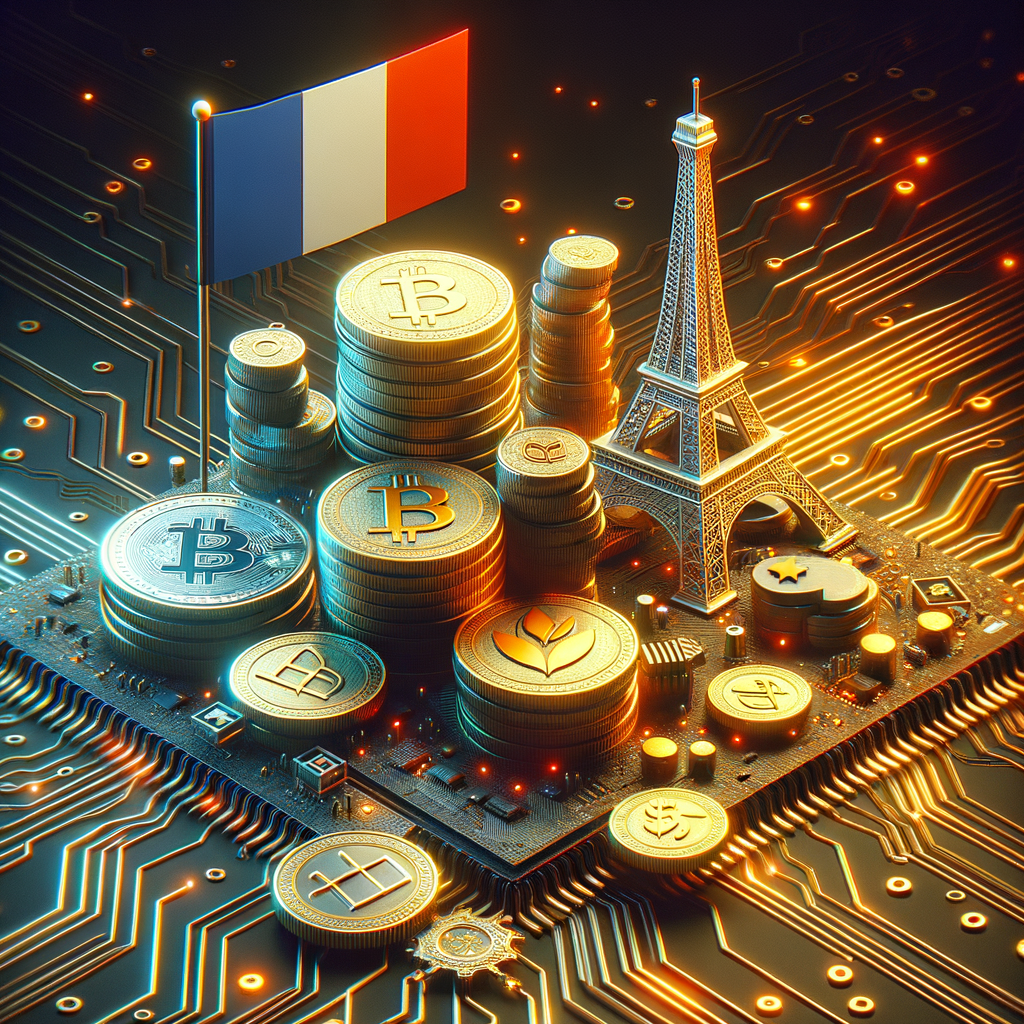
Tokenization is the process of converting rights to an asset into a digital token on a blockchain. This concept, while seemingly abstract, is grounded in the tangible benefits it offers. Imagine owning a piece of the Eiffel Tower—not physically, but digitally. Tokenization allows for fractional ownership, making high-value assets accessible to a broader audience. This democratization of investment is at the heart of tokenization's appeal.
The journey of tokenization began with the advent of blockchain technology. Initially, it was confined to cryptocurrencies like Bitcoin. However, as blockchain matured, so did its applications. France, with its rich history of financial innovation, quickly embraced this technology. The country's regulatory bodies have been proactive in crafting frameworks that support tokenization, ensuring that France remains at the forefront of this digital revolution.
France's regulatory environment is a cornerstone of its tokenization success. The French Financial Markets Authority (AMF) has established clear guidelines that foster innovation while ensuring investor protection. For instance, the PACTE law, enacted in 2019, provides a legal framework for Initial Coin Offerings (ICOs) and digital asset service providers. This law has been pivotal in creating a secure environment for tokenization to flourish.
Several key players are driving tokenization in France. Companies like Societe Generale and BNP Paribas are pioneering the use of blockchain for tokenizing securities. Additionally, startups such as LiquidShare are focusing on post-trade settlement processes, further enhancing the efficiency of tokenized assets. These organizations are not just participants but leaders in the global tokenization movement.
In the finance sector, tokenization is revolutionizing traditional banking. By converting assets into tokens, banks can offer more flexible and efficient financial products. For example, tokenized bonds can be traded with greater liquidity, reducing transaction costs and settlement times. This efficiency is particularly appealing in a fast-paced financial environment where time is money.
Real estate tokenization is transforming property investment. By breaking down large assets into smaller, tradable tokens, investors can diversify their portfolios without the need for significant capital. In France, this has opened up opportunities for both domestic and international investors to participate in the lucrative French property market, traditionally dominated by a few.
Beyond finance and real estate, tokenization is making waves in sectors like art, commodities, and intellectual property. In the art world, tokenization allows for fractional ownership of masterpieces, making art investment accessible to a wider audience. Similarly, commodities like gold can be tokenized, providing a digital alternative to physical ownership.
Tokenization enhances security by leveraging blockchain's immutable ledger. Each transaction is recorded and cannot be altered, reducing the risk of fraud. This transparency builds trust among investors, a crucial factor in the adoption of new financial technologies.
By eliminating intermediaries, tokenization reduces transaction costs. Traditional asset transfers involve multiple parties, each taking a fee. Tokenization streamlines this process, resulting in significant cost savings. For investors, this means higher returns and more efficient capital allocation.
Tokenization democratizes access to high-value assets. By allowing fractional ownership, it lowers the barrier to entry for investors. This inclusivity is particularly beneficial in France, where access to certain asset classes has historically been limited to a privileged few.
Despite its benefits, tokenization faces legal and regulatory challenges. The evolving nature of blockchain technology means that regulations must constantly adapt. In France, while the regulatory framework is supportive, there is still a need for clarity in areas such as taxation and cross-border transactions.
Implementing tokenization requires robust technological infrastructure. Blockchain technology, while revolutionary, is complex and requires significant investment in terms of both time and resources. Companies must ensure they have the necessary expertise to navigate this new landscape.
Market adoption is another hurdle. While tokenization offers clear benefits, convincing traditional investors to embrace this new model can be challenging. Education and awareness are key to overcoming this barrier, as is demonstrating the tangible benefits of tokenization through successful case studies.
The future of tokenization in France is bright, with several emerging trends pointing towards continued growth. The integration of artificial intelligence with blockchain is one such trend, offering enhanced data analysis and decision-making capabilities. Additionally, the rise of decentralized finance (DeFi) platforms is set to further drive the adoption of tokenization.
Looking ahead, we can expect to see increased collaboration between traditional financial institutions and blockchain startups. This synergy will likely result in innovative financial products that leverage the strengths of both sectors. Furthermore, as regulatory frameworks continue to evolve, we can anticipate greater international cooperation, facilitating cross-border tokenization initiatives.
Tokenization in France represents a paradigm shift in how assets are managed and traded. By embracing this technology, France is positioning itself as a leader in the digital economy. While challenges remain, the benefits of tokenization are undeniable, offering a more inclusive, efficient, and secure financial landscape. As we look to the future, the potential for tokenization to reshape the financial world is immense, promising a new era of innovation and opportunity.
One common misconception about tokenization is that it is synonymous with cryptocurrency. While both utilize blockchain technology, tokenization is distinct in its focus on converting real-world assets into digital tokens. Another misconception is that tokenization is only relevant for large-scale investors. In reality, its greatest strength lies in its ability to democratize access to various asset classes.
Experts in the field of blockchain and finance are optimistic about the future of tokenization. According to a report by Deloitte, tokenization has the potential to unlock trillions of dollars in currently illiquid assets. Industry leaders emphasize the importance of regulatory clarity and technological advancement in realizing this potential. As France continues to innovate, expert consensus suggests that tokenization will play a pivotal role in the global financial ecosystem.