December 23, 2025
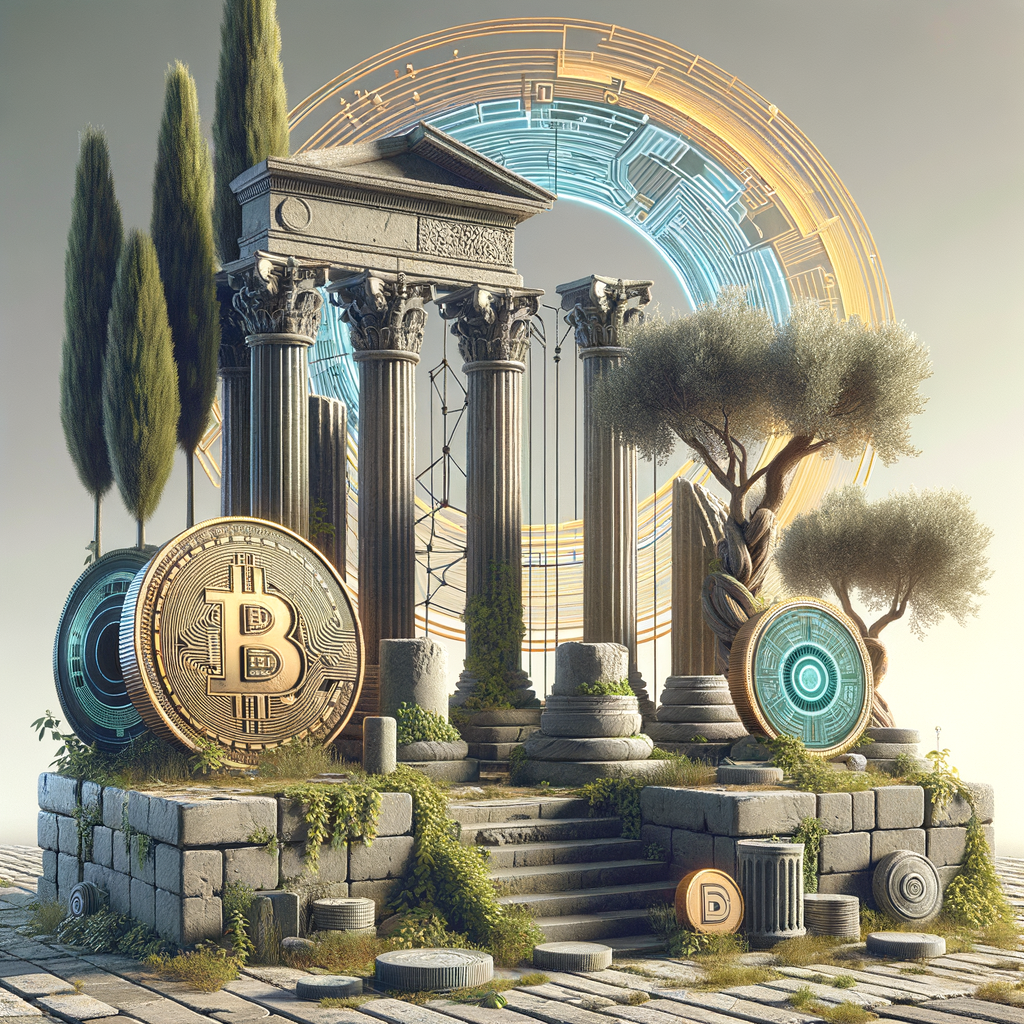
In the heart of the Mediterranean, Greece stands at the crossroads of ancient history and modern innovation. As the global financial landscape evolves, tokenization emerges as a transformative force, offering new avenues for investment and economic growth. This article delves into the concept of tokenization, its global and local trends, benefits for Greek industries, regulatory frameworks, technological infrastructure, real-world applications, and future prospects within Greece.
Tokenization refers to the process of converting rights to an asset into a digital token on a blockchain. This method allows for the fractional ownership of assets, enhancing liquidity and accessibility. By representing physical or intangible assets as digital tokens, tokenization democratizes investment opportunities, reduces transaction costs, and increases transparency.
Consider a prime piece of real estate in Athens. Traditionally, investing in such property would require substantial capital and involve complex legal procedures. Through tokenization, this property can be divided into numerous digital tokens, each representing a fraction of ownership. Investors can purchase these tokens, enabling them to partake in real estate investments without the need for significant capital or navigating cumbersome processes.
Globally, tokenization is reshaping various sectors, from real estate and finance to art and supply chains. The World Economic Forum predicts that by 2027, 10% of the global GDP will be stored on blockchain technology, underscoring the rapid adoption of tokenization. Financial institutions are increasingly leveraging tokenization to enhance liquidity and streamline transactions. For instance, JPMorgan Chase has developed the JPM Coin, a digital token representing fiat currency, to facilitate instantaneous payments between institutional clients.
In the art world, tokenization has given rise to non-fungible tokens (NFTs), allowing artists to monetize digital creations and establish verifiable ownership. This trend has democratized access to art investments, enabling a broader audience to participate in the art market.
Greece is gradually embracing tokenization, recognizing its potential to invigorate various industries. The country's rich cultural heritage and robust tourism sector present unique opportunities for tokenization. For example, the Tinos Cosmopolitan project initiated the tokenization process in May 2025, allowing investors to purchase real estate-backed tokens with a minimum investment of €1,000. This initiative aims to attract both Greek and international investors, offering a transparent and accessible investment platform. ([tinoscosmopolitan.com](https://tinoscosmopolitan.com/first-step-to-future/?utm_source=openai))
Furthermore, Greek financial institutions are exploring tokenization to enhance their service offerings. By adopting blockchain technology, banks can offer more efficient and secure transactions, reducing operational costs and improving customer satisfaction.
The Greek real estate market, characterized by its picturesque islands and historic landmarks, stands to gain significantly from tokenization. By converting property assets into digital tokens, real estate becomes more accessible to a broader range of investors. This fractional ownership model lowers the entry barrier, allowing individuals to invest in high-value properties without substantial capital.
Moreover, tokenization enhances liquidity in the real estate market. Traditional property transactions can be time-consuming and complex, often involving multiple intermediaries. Tokenized assets can be traded on digital platforms, facilitating quicker and more efficient transactions. This increased liquidity can attract more investors, stimulating growth in the real estate sector.
In the financial sector, tokenization offers numerous advantages, including improved efficiency, transparency, and security. By representing financial instruments as digital tokens, transactions can be executed more swiftly and with reduced costs. This efficiency is particularly beneficial for cross-border transactions, which traditionally involve multiple intermediaries and extended processing times.
Additionally, tokenization enhances transparency by providing a clear and immutable record of transactions on the blockchain. This transparency can bolster investor confidence and reduce the risk of fraud. Greek financial institutions can leverage tokenization to offer innovative products and services, positioning themselves competitively in the global market.
The Greek economy relies heavily on its shipping and logistics industries. Tokenization can revolutionize supply chain management by providing real-time tracking of goods, verifying authenticity, and ensuring compliance with regulations. By assigning digital tokens to products, stakeholders can monitor the movement of goods from origin to destination, enhancing efficiency and reducing the risk of counterfeit products.
For instance, a Greek olive oil producer can tokenize their products, allowing consumers to trace the journey of the olive oil from the grove to the store shelf. This transparency can enhance brand trust and open new markets for authentic Greek products.
Greece has taken significant steps to establish a regulatory framework for tokenization and crypto-assets. The implementation of the Markets in Crypto-Assets Regulation (MiCAR) in December 2024 marked a pivotal moment. MiCAR provides a comprehensive legal framework for crypto-assets, ensuring investor protection and market integrity. ([bankofgreece.gr](https://www.bankofgreece.gr/en/main-tasks/supervision/regulation-eu-2023_1114-on-markets-in-crypto-assets?utm_source=openai))
In April 2025, Greece enacted Law 5193/2025, aligning national legislation with MiCAR. This law designates the Hellenic Capital Market Commission (HCMC) as the competent authority for authorizing and supervising crypto-asset service providers (CASPs). Additionally, the Bank of Greece oversees the prudential supervision of issuers of asset-referenced tokens (ARTs) and electronic money tokens (EMTs). ([zeya.com](https://www.zeya.com/newsletters/long-awaited-law-supplementing-markets-crypto-assets-regulation-has-been-adopted?utm_source=openai))
While the regulatory framework provides clarity, challenges remain. The rapid evolution of blockchain technology necessitates continuous adaptation of regulations to address emerging risks and opportunities. Ensuring compliance with anti-money laundering (AML) and counter-terrorism financing (CTF) standards is paramount to maintain the integrity of the financial system.
However, these challenges present opportunities for Greece to position itself as a hub for blockchain innovation. By fostering a regulatory environment that balances oversight with support for innovation, Greece can attract blockchain startups and investments, driving economic growth and technological advancement.
Blockchain serves as the foundational technology for tokenization, offering a decentralized and immutable ledger for recording transactions. In Greece, the adoption of blockchain technology is gaining momentum. The establishment of the HCMC's Financial Innovation Hub and the Bank of Greece's Regulatory Sandbox provides platforms for fintech companies to develop and test blockchain applications in a controlled environment. ([pwc.com](https://www.pwc.com/hu/hu/iparagak/assets/navigating-the-global-crypto-landscape-with-PwC-2024.pdf?utm_source=openai))
These initiatives facilitate collaboration between regulators and innovators, ensuring that blockchain solutions are developed in compliance with existing regulations while promoting technological advancement.
Ensuring the security of tokenized assets is crucial to protect investors and maintain trust in the system. Implementing robust security measures, such as multi-signature wallets, encryption protocols, and regular security audits, can mitigate risks associated with cyber threats.
Furthermore, educating investors and stakeholders about best practices for securing digital assets is essential. By fostering a culture of security awareness, Greece can enhance the resilience of its tokenization ecosystem.
The Tinos Cosmopolitan project serves as a notable example of successful tokenization in Greece. By offering real estate-backed tokens, the project attracted a diverse group of investors, demonstrating the potential of tokenization to democratize investment opportunities. ([tinoscosmopolitan.com](https://tinoscosmopolitan.com/first-step-to-future/?utm_source=openai))
Another example is the adoption of tokenization by Greek shipping companies to streamline operations and enhance transparency in supply chain management. By tokenizing shipping documents and cargo information, these companies have improved efficiency and reduced the risk of fraud.
These case studies highlight the importance of regulatory compliance, technological robustness, and investor education in the successful implementation of tokenization projects. Ensuring that tokenized assets comply with existing regulations and are supported by secure and scalable technology is crucial. Additionally, educating investors about the benefits and risks associated with tokenization can enhance adoption and trust.
The future of tokenization in Greece appears promising. As regulatory frameworks become more established and technological infrastructure advances, the adoption of tokenization is expected to accelerate. Sectors such as tourism, agriculture, and energy present significant opportunities for tokenization, enabling innovative investment models and operational efficiencies.
Moreover, the integration of tokenization with emerging technologies like artificial intelligence and the Internet of Things (IoT) can further enhance its applications, offering new avenues for innovation and growth.
The widespread adoption of tokenization can have a profound impact on the Greek economy. By attracting foreign investment, fostering innovation, and creating new job opportunities, tokenization can contribute to economic growth and resilience. Additionally, by enhancing transparency and efficiency in various sectors, tokenization can improve the overall business environment, positioning Greece as a leader in the digital economy.
Tokenization represents a transformative force with the potential to revolutionize various industries in Greece. By embracing this innovation, Greece can unlock new economic opportunities, enhance market efficiency, and position itself as a hub for blockchain technology. However, realizing this potential requires a balanced approach that fosters innovation while ensuring regulatory compliance and security.
What is tokenization?
Tokenization is the process of converting rights to an asset into a digital token on a blockchain, allowing for fractional ownership and enhanced liquidity.
How does tokenization benefit investors?
Tokenization lowers the entry barrier for investments, provides increased liquidity, and offers greater transparency through blockchain technology.
What industries in Greece can benefit from tokenization?
Industries such as real estate, finance, supply chain, tourism, agriculture, and energy can benefit from tokenization by enhancing efficiency, transparency, and investment opportunities.
What regulatory frameworks govern tokenization in Greece?
Greece has implemented the Markets in Crypto-Assets Regulation (MiCAR) and enacted Law 5193/2025 to establish a comprehensive regulatory framework for tokenization and crypto-assets.
What are the challenges associated with tokenization?
Challenges include ensuring regulatory compliance, maintaining robust security measures, and educating investors about the risks and benefits associated with tokenized assets.
Book a call with us today and get a free assessment.