December 22, 2025
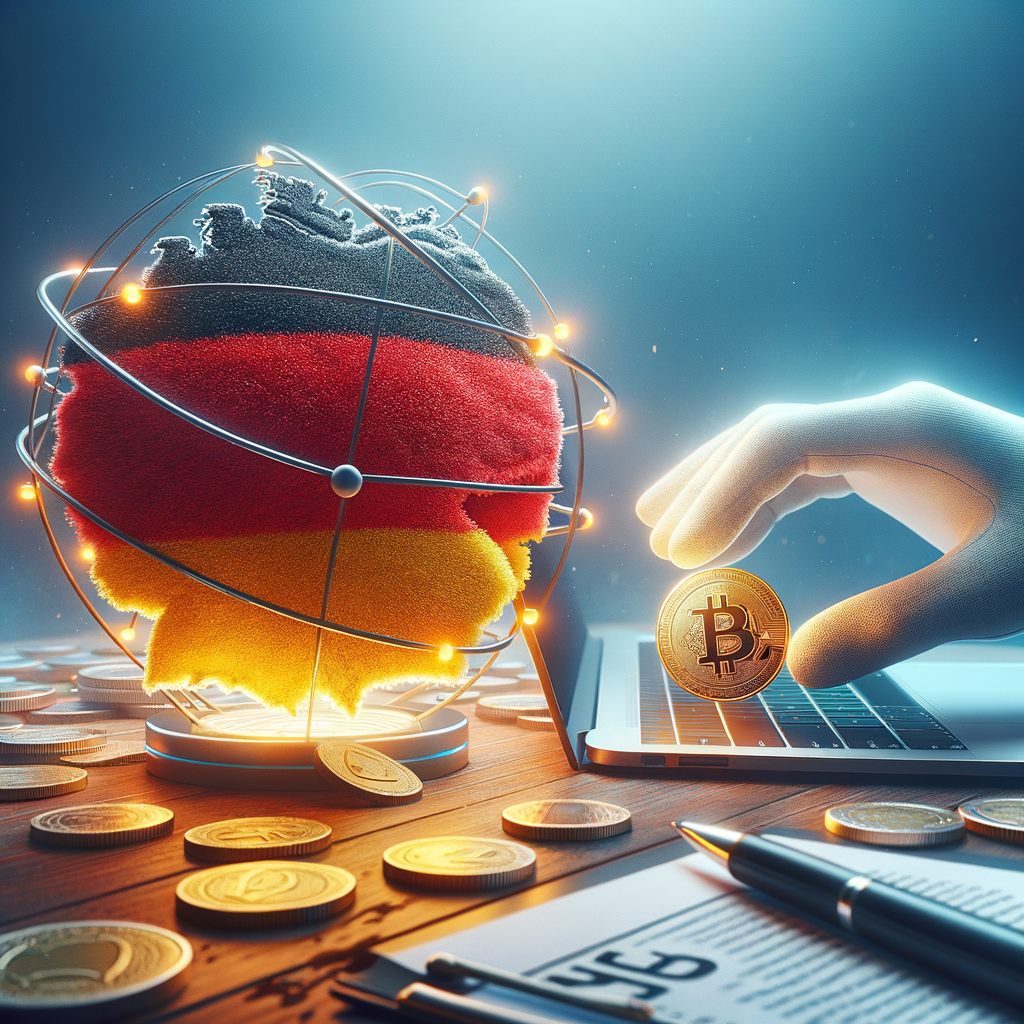
In the rapidly evolving landscape of financial technology, Germany has emerged as a pivotal player in the realm of tokenization. This transformative process, which converts rights to an asset into a digital token on a blockchain, is reshaping traditional financial systems and offering unprecedented opportunities for investors and institutions alike. As we delve into the intricacies of tokenization within the German market, it becomes evident that a combination of robust regulatory frameworks, technological innovation, and market readiness positions Germany at the forefront of this digital revolution.
Tokenization is the process of converting ownership rights of real-world assets into digital tokens on a blockchain. This method allows for the fractionalization of assets, enabling broader access to investment opportunities and enhancing liquidity. By representing physical or financial assets digitally, tokenization facilitates seamless transactions, reduces intermediaries, and offers a transparent and immutable record of ownership.
Consider the traditional real estate market, where purchasing property involves significant capital, extensive paperwork, and prolonged processing times. Through tokenization, a property can be divided into multiple tokens, each representing a fraction of the asset. Investors can then purchase these tokens, gaining proportional ownership without the complexities associated with conventional real estate transactions. This democratization of asset ownership is not limited to real estate but extends to commodities, art, securities, and more.
The implications of tokenization are profound. It not only lowers the barrier to entry for investors but also introduces enhanced liquidity to traditionally illiquid markets. Moreover, the transparency and security inherent in blockchain technology ensure that transactions are traceable and tamper-proof, fostering trust among participants.
Germany has established itself as a leader in the European tokenization market, capturing approximately 22.6% of the regional share in 2024. This dominance is underpinned by a combination of regulatory foresight, a robust financial sector, and a culture of technological innovation.
The enactment of the Electronic Securities Act (eWpG) in 2021 marked a significant milestone. This legislation allows for the issuance and registration of securities in digital form on blockchain platforms, eliminating the need for physical certificates and streamlining the process of asset tokenization. The eWpG provides a clear legal framework, ensuring that tokenized securities are recognized and regulated equivalently to their traditional counterparts.
Furthermore, Germany's proactive stance is evident in its participation in the European Union's Distributed Ledger Technology (DLT) Pilot Regime, which came into force in March 2023. This initiative permits market infrastructures to experiment with DLT solutions in a controlled environment, paving the way for broader implementation and integration of blockchain technologies within the financial sector.
Market data reflects this progressive environment. The German tokenization market generated a revenue of USD 187.7 million in 2024 and is projected to reach USD 762.0 million by 2030, exhibiting a compound annual growth rate (CAGR) of 22.1% from 2025 to 2030. This growth trajectory underscores the increasing adoption and integration of tokenization across various sectors within the German economy.
The adoption of tokenization within Germany's financial landscape offers a multitude of advantages, ranging from enhanced security to increased accessibility. These benefits are instrumental in driving the country's leadership in the tokenization arena.
Blockchain technology, the backbone of tokenization, is renowned for its robust security features. Each transaction is recorded on a decentralized ledger, making it immutable and transparent. This ensures that once data is entered, it cannot be altered or deleted, significantly reducing the risk of fraud and unauthorized modifications.
In the context of the German financial sector, where data protection and security are paramount, tokenization offers a compelling solution. The stringent enforcement of the General Data Protection Regulation (GDPR) in Germany aligns seamlessly with the security protocols inherent in blockchain technology. This synergy not only enhances trust among investors but also ensures compliance with regulatory standards.
Traditional asset transactions often involve multiple intermediaries, leading to prolonged processing times and increased costs. Tokenization streamlines this process by enabling peer-to-peer transactions on blockchain platforms, thereby reducing the need for intermediaries and expediting settlement times.
For instance, the issuance of tokenized bonds can be executed more swiftly compared to conventional methods. In 2023, the state-owned bank KfW issued €20 million in tokenized bonds through a centralized depository, demonstrating the efficiency gains achievable through tokenization. Such advancements not only reduce operational costs but also enhance the overall agility of financial markets.
One of the most transformative aspects of tokenization is its ability to democratize access to investment opportunities. By fractionalizing assets into smaller, more affordable tokens, a broader spectrum of investors can participate in markets that were previously inaccessible due to high capital requirements.
In Germany, this increased accessibility is particularly impactful in sectors like real estate and fine art, where high entry costs have traditionally limited participation to affluent investors. Tokenization allows individuals to invest in fractions of these assets, thereby diversifying their portfolios and promoting financial inclusion.
Several industries within Germany are at the forefront of adopting tokenization, leveraging its benefits to enhance operations, broaden investor participation, and innovate traditional business models.
The German banking sector has been a pioneer in integrating tokenization into its operations. Major financial institutions are exploring and implementing blockchain-based solutions to tokenize a variety of financial instruments, including bonds, equities, and funds.
Deutsche Börse, one of the world's leading stock exchanges, has been actively incorporating blockchain technology into its financial products. The exchange has developed platforms that facilitate the issuance and trading of tokenized securities, providing a regulated environment for digital assets. This initiative not only enhances the efficiency of financial markets but also positions Germany as a hub for digital finance innovation.
The real estate sector in Germany is undergoing a significant transformation through tokenization. By converting property assets into digital tokens, real estate companies are enabling fractional ownership, thereby lowering the barrier to entry for investors and increasing liquidity in the market.
For example, in 2024, a prominent real estate firm in Berlin tokenized a commercial property valued at €50 million. This initiative allowed investors to purchase tokens representing fractional ownership of the property, facilitating a more inclusive investment environment and expediting the capital-raising process for the firm.
Tokenization is also making inroads into supply chain management within Germany. By representing goods and commodities as digital tokens on a blockchain, companies can achieve greater transparency, traceability, and efficiency in their supply chains.
German automotive manufacturers, renowned for their precision and quality, are leveraging tokenization to track and verify the authenticity of parts throughout the supply chain. This approach not only mitigates the risk of counterfeit components but also enhances operational efficiency by providing real-time data on inventory and logistics.
Germany's regulatory framework is a cornerstone of its leadership in the tokenization space. The country's proactive approach to legislation and oversight provides a clear and secure environment for the development and adoption of tokenized assets.
The Electronic Securities Act (eWpG), enacted in 2021, is a pivotal piece of legislation that allows for the issuance and registration of securities in electronic form on blockchain platforms. This act eliminates the need for physical certificates and provides legal clarity for tokenized securities.
Additionally, the Federal Financial Supervisory Authority (BaFin) plays a crucial role in overseeing the tokenization landscape. BaFin requires that platforms handling tokenized assets obtain appropriate licenses and comply with stringent anti-money laundering (AML) and know-your-customer (KYC) regulations. This oversight ensures that the tokenization market operates within a secure and transparent framework.
Despite the clear regulatory framework, entities involved in tokenization face several compliance challenges. Navigating the licensing requirements set forth by BaFin can be complex, particularly for startups and foreign companies seeking to enter the German market.
Moreover, the integration of tokenized assets into existing financial systems necessitates adherence to multiple regulatory standards, including those related to data protection, financial reporting, and consumer protection. Ensuring compliance across these domains requires significant resources and expertise.
Looking ahead, Germany is expected to continue refining its regulatory approach to tokenization. The implementation of the Markets in Crypto-Assets Regulation (MiCA) at the European Union level will further harmonize regulations across member states, providing a more cohesive framework for tokenized assets.
Germany's alignment with MiCA, through legislation such as the Crypto Asset Market Supervision Act, indicates a commitment to fostering innovation while maintaining robust oversight. This balance is likely to attract more investment and development in the tokenization space, solidifying Germany's position as a leader in digital finance.
While the prospects for tokenization in Germany are promising, several challenges must be addressed to fully realize its potential. These challenges span technological, market adoption, and consumer trust dimensions.
The integration of tokenization into existing financial and operational systems presents significant technological challenges. Legacy systems may not be compatible with blockchain technology, necessitating substantial investment in infrastructure upgrades.
Additionally, ensuring the scalability and interoperability of blockchain platforms is critical. As the volume of tokenized assets grows, the underlying technology must be capable of handling increased transaction loads without compromising performance or security.
Despite the clear benefits, widespread adoption of tokenization in Germany is still in its nascent stages. Traditional financial institutions and investors may be hesitant to transition to tokenized assets due to unfamiliarity with the technology and concerns about regulatory uncertainties.
Educating market participants about the advantages and mechanics of tokenization is essential. Initiatives that demonstrate successful use cases and provide clear guidance on regulatory compliance can facilitate broader adoption.
Building consumer trust is paramount for the success of tokenization. Concerns about data security, privacy, and the potential for fraud can deter individuals from engaging with tokenized assets.
Transparent communication, robust security measures, and adherence to regulatory standards are crucial in addressing these concerns. Demonstrating the reliability and benefits of tokenization through real-world applications can also enhance consumer confidence.
Examining real-world implementations of tokenization in Germany provides valuable insights into its practical applications, successes, and lessons learned.
In December 2024, German fintech firm 21X received regulatory approval from BaFin to launch a blockchain-based tokenization platform. This platform is designed to facilitate the issuance, distribution, listing, and trading of tokenized financial instruments, providing a fully regulated environment for digital assets.
The approval of 21X under the European Union's DLT Pilot Regime underscores the viability of tokenization platforms within Germany's regulatory framework. The platform's launch is anticipated to enhance the accessibility and efficiency of financial markets, offering a model for future initiatives.
Several key lessons emerge from Germany's experience with tokenization:
The trajectory of tokenization in Germany points toward continued growth and innovation. Emerging trends and potential growth opportunities indicate a dynamic future for digital assets within the country.
Several trends are shaping the future of tokenization in Germany:
Germany's leadership in tokenization presents several growth opportunities:
Germany's proactive approach to tokenization, characterized by clear regulations, technological innovation, and market readiness, positions it as a leader in the digital asset space. While challenges remain, the benefits of tokenization—enhanced security, efficiency, and accessibility—offer compelling incentives for continued adoption and development. As Germany continues to navigate this evolving landscape, its experiences provide valuable lessons and insights for other nations seeking to harness the potential of tokenization in the digital age.
Book a call with us today and get a free assessment.