December 1, 2025
September 2, 2026
Autor: Joao Lages
Tokenización de relojes: autenticidad e inversión en relojería de lujo se entiende mejor como dos oportunidades distintas. La primera es un pasaporte digital de producto que ayuda a organizar los registros de procedencia, propiedad y mantenimiento. La segunda es una estructura de inversión regulada que otorga a los inversores derechos económicos definidos sobre un reloj o una cartera.
Blockchain puede respaldar ambos modelos, pero no puede autenticar un reloj por sí sola. Un producto creíble comienza con expertos responsables, un título jurídico, una custodia controlada y pruebas que conecten el reloj físico con su registro digital. El token adquiere valor cuando coordina esos fundamentos, no cuando pretende sustituirlos.
La tokenización de relojes consiste en crear un token digital vinculado a un reloj concreto, una cartera o un derecho jurídico cuyo valor dependa de relojes. Un token puede funcionar como pasaporte digital, acreditar un derecho contractual de reembolso, dar acceso a servicios o representar acciones, deuda u otro instrumento de inversión. Por tanto, el mismo estándar técnico puede producir resultados jurídicos muy diferentes.
Poseer el token no significa necesariamente ser propietario del reloj físico. Las condiciones del producto deben indicar qué derecho se transmite, quién tiene la posesión, qué legislación rige la propiedad y qué ocurre si el registro de blockchain entra en conflicto con la custodia o la documentación jurídica. Sin esa coherencia, el titular puede poseer un recibo digital transferible en lugar del activo anunciado.
El marco práctico tiene cuatro niveles. La autenticación establece los hechos iniciales. La custodia conserva el reloj y controla su entrega física. La documentación jurídica define el derecho del titular. La tecnología registra permisos, transferencias y acontecimientos del ciclo de vida.
Estos niveles requieren una conciliación continua. Un reloj puede someterse a mantenimiento, sufrir daños, restaurarse, perder componentes originales o cambiar de custodio. Un registro inmutable solo resulta útil si el sistema permite añadir nuevas pruebas, corregir errores y mostrar qué parte realizó cada declaración.
Un pasaporte puede incluir información del modelo, referencias del número de serie, estado de la garantía, procedencia, historial de mantenimiento y transmisiones de propiedad. Su finalidad principal es informativa y operativa. Puede mejorar la diligencia debida en la reventa sin conceder al titular del pasaporte una rentabilidad financiera ni un derecho real directo.
El servicio de pasaporte digital de Breitling es un ejemplo real útil: los propietarios pueden acceder a la documentación, la información de la garantía y el historial de propiedad, así como transferir el pasaporte a un nuevo propietario. Este servicio empresarial demuestra cómo mantener registros durante el ciclo de vida; no garantiza de forma general que cualquier reloj vinculado a blockchain sea auténtico o apto para invertir.
Un token puede diseñarse para representar un derecho sobre un reloj identificado que mantiene un custodio. Las condiciones jurídicas deben aclarar si el titular es propietario del reloj, dispone de un derecho contractual a recibirlo o solo accede a una plataforma. Los procedimientos de reembolso deben contemplar la verificación de identidad, los impuestos, el transporte, el seguro y la entrega del artículo exacto.
Cuando participan varios inversores, una entidad jurídica puede ser propietaria de un reloj o una cartera y emitir acciones, deuda u otros derechos definidos. Esto puede simplificar la custodia y la gobernanza, pero sitúa la clasificación, la oferta y la distribución en el centro del diseño. El fraccionamiento cambia la estructura financiera; no divide físicamente el reloj.
La infraestructura de Lympid para tokenizar activos físicos respalda el proceso más amplio de incorporar activos, emitir instrumentos de inversión controlados y administrar inversores. Esta estructura operativa importa más que el acto de acuñar el token.
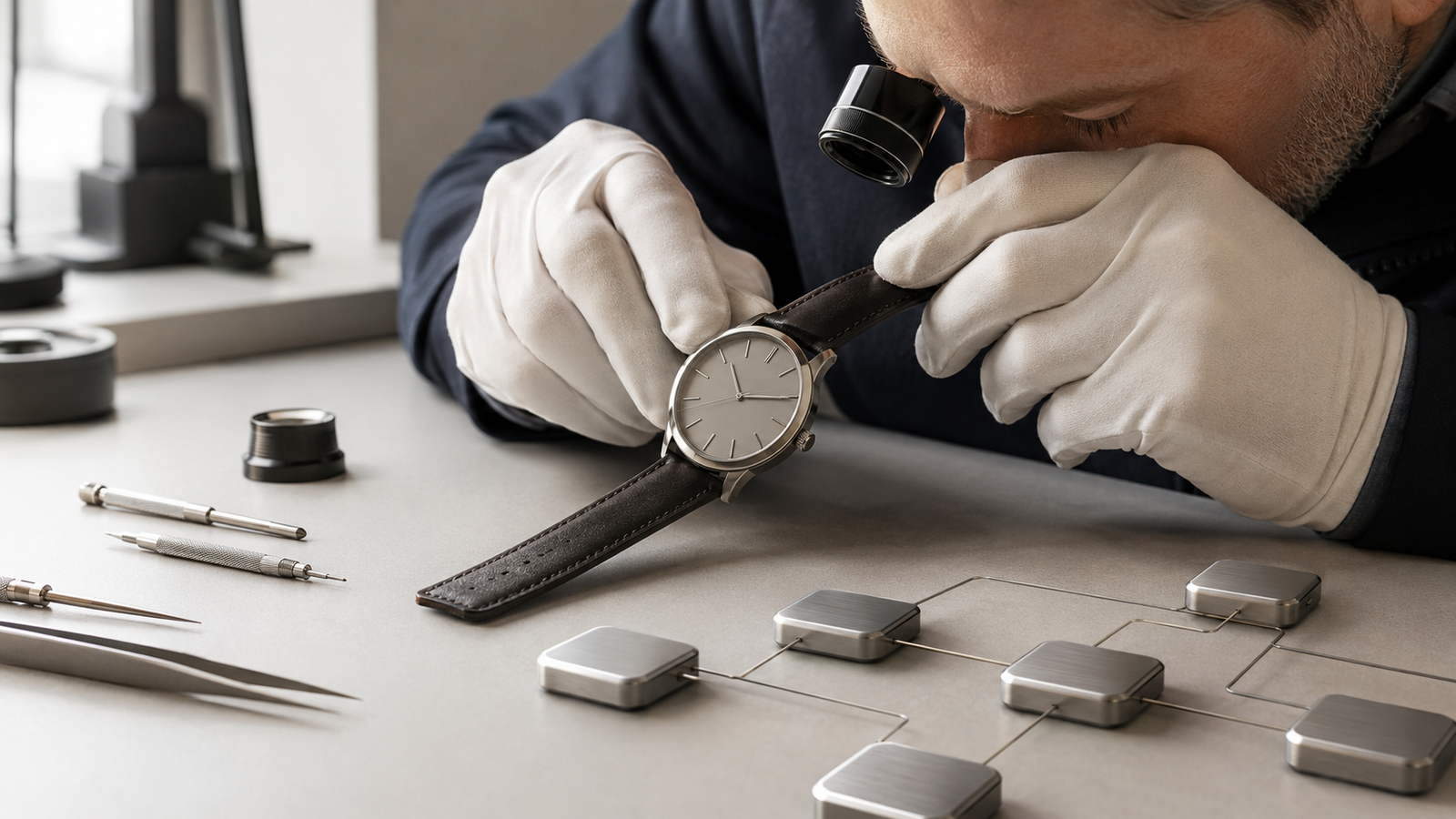
Un registro distribuido puede demostrar que ciertos datos se registraron en un momento determinado, pero no que la declaración original fuera verdadera. La autenticación de un reloj puede exigir inspeccionar la caja, el movimiento, la esfera, las agujas, el brazalete, los grabados, los materiales, el estado y los documentos adjuntos. El especialista responsable debe explicar las pruebas revisadas, el estándar aplicado, la fecha y las limitaciones.
Los relojes falsificados y modificados siguen siendo un riesgo relevante para la diligencia debida. El estudio de 2025 de la EUIPO y la OCDE sobre el comercio mundial de falsificaciones incluye los bienes de gran valor entre las categorías de productos que persiguen los falsificadores. La tokenización no elimina la sustitución, los documentos falsos ni una primera anotación incorrecta.
El vínculo entre lo físico y lo digital puede recurrir a identificadores seguros, fotografía controlada, declaraciones de expertos y registros de custodia. Sin embargo, cualquier etiqueta o chip puede retirarse, copiarse o transferirse, por lo que ningún mecanismo aislado debe asumir toda la responsabilidad. Los sistemas sólidos combinan la identificación con la posesión segura y las inspecciones periódicas.
El Reglamento de la UE sobre diseño ecológico para productos sostenibles, aplicable desde el 18 de julio de 2024, establece un marco para los pasaportes digitales de producto y los requisitos de diseño ecológico específicos por producto. Las obligaciones detalladas dependen de posteriores medidas para grupos de productos concretos. Los emisores no deben dar a entender que cualquier token privado vinculado a un reloj constituye un pasaporte oficial de la UE.
La orientación política sigue siendo relevante. Los datos normalizados sobre productos pueden mejorar la trazabilidad y la información relativa a las reparaciones en las cadenas de suministro. En los productos de inversión, mejores datos de origen pueden reforzar la incorporación, pero el pasaporte regulatorio y el derecho jurídico del titular del token siguen siendo registros distintos.
La privacidad y la confidencialidad comercial también exigen cautela. Las blockchains públicas no deben revelar innecesariamente la identidad de los propietarios, la ubicación precisa del almacenamiento ni información sensible del número de serie. Las pruebas protegidas pueden permanecer fuera de la cadena, mientras que los hashes o las referencias controladas aportan una pista de auditoría.
Los relojes de gran valor necesitan más que un almacenamiento seguro. La manipulación, la humedad, el magnetismo, los impactos, un pulido inadecuado y un mantenimiento mal documentado pueden afectar a su estado y atractivo para los coleccionistas. El contrato de custodia debe especificar los controles de acceso, las medidas ambientales, la frecuencia de inspección y la facultad de aprobar el mantenimiento.
La segregación importa cuando un custodio mantiene activos de varios clientes. Los registros de inventario deben identificar cada reloj, su propietario jurídico, el derecho económico y cualquier garantía real. La documentación debe abordar la insolvencia del custodio o del emisor, en lugar de presumir que el token otorga prioridad automática.
Las condiciones del seguro deben leerse con precisión. Los inversores necesitan conocer el valor asegurado, las franquicias, las exclusiones, el alcance geográfico, el beneficiario de la indemnización y el tratamiento de una desaparición inexplicable o del transporte. Una póliza suscrita por la plataforma no otorga necesariamente a los titulares de tokens un derecho directo frente a la aseguradora.
Los precios de los relojes dependen de la referencia, el estado, la originalidad, la procedencia, la integridad del conjunto, la producción, los materiales y la evolución de la demanda de los coleccionistas. Los precios solicitados por comerciantes, las estimaciones de subastas y las ventas cerradas no son equivalentes. La política de valoración debe identificar las fuentes de datos, los costes de transacción, la frecuencia y el método aplicable a referencias con poca negociación.
Los tokens fraccionados pueden reducir la suscripción mínima sin crear un mercado secundario profundo. La liquidez depende de los compradores admisibles, el acceso al centro de negociación, la calidad de la información, el capital flotante y la continuidad de la custodia. Si faltan estas condiciones, el inversor puede tener que esperar hasta que se venda el reloj subyacente.
Las comisiones pueden cambiar sustancialmente el resultado. Los costes de autenticación, custodia, seguro, administración, negociación, mantenimiento y venta deben mostrarse conjuntamente. La rentabilidad relevante es la obtenida después de deducir los costes necesarios para conservar y realizar el activo.
Un token de pasaporte único y un token de inversión fraccionada no deben clasificarse del mismo modo por el mero hecho de estar relacionados con un reloj. Las directrices de ESMA de marzo de 2025 sobre la consideración de los criptoactivos como instrumentos financieros exigen atender a la sustancia y no a la forma. Los tokens equivalentes a acciones, bonos, participaciones de fondos u otros instrumentos MiFID están sujetos al correspondiente marco de servicios financieros.
Un token coleccionable verdaderamente único puede quedar fuera de MiCA en determinadas circunstancias, pero la etiqueta «NFT» no es decisiva. Las unidades fraccionadas, la emisión en serie, la gestión conjunta y los derechos sobre beneficios pueden cambiar el análisis. Las normas sobre consumidores, contratos, propiedad intelectual, blanqueo de capitales, sanciones, protección de datos y fiscalidad pueden aplicarse en cualquier caso.
La comercialización transfronteriza exige un análisis jurisdicción por jurisdicción. El emisor, el custodio, la plataforma, el reloj y el inversor pueden estar situados en países distintos. Este artículo ofrece un análisis general del mercado y no constituye asesoramiento jurídico, fiscal, financiero ni de inversión.
El reloj puede ser falso, haber sufrido modificaciones sustanciales o estar acompañado de documentos incorrectos. Sus componentes pueden sustituirse después de la autenticación. Los inversores necesitan comprobaciones periódicas y remedios contractuales, no solo un registro inmutable.
El vendedor puede no disponer de un título limpio, o el reloj puede estar pignorado, perderse o entregarse de forma incorrecta. Un inventario conciliado, la segregación y un reembolso controlado reducen estos riesgos, pero no los eliminan.
Las preferencias de los coleccionistas pueden cambiar y las ventas comparables pueden ser escasas. La transferibilidad del token no garantiza una salida ni un precio fiable. La información facilitada no debe dar a entender lo contrario.
El compromiso de un monedero, los errores de código y los fallos de los administradores pueden separar el token del registro del activo. Las facultades de recuperación deben ser limitadas, transparentes y comprobadas, y deben revelarse los conflictos del promotor sobre la valoración o el momento de la venta.
La misma disciplina se aplica al tokenizar otros objetos de colección de gran valor. La guía de Lympid sobre tokenización de bolsos de lujo también explica por qué la autenticación, la custodia y los derechos jurídicos deben funcionar de forma coordinada.
La tokenización de relojes puede dar mayor coherencia a los registros del ciclo de vida, el mantenimiento, las transmisiones de propiedad y la administración de inversores. Los proyectos más creíbles utilizarán blockchain de forma discreta y ofrecerán a los compradores derechos comprensibles, custodia profesional y condiciones de liquidez realistas. La confianza procede de pruebas atribuibles, no del vocabulario tecnológico.
La conclusión contraria a la intuición es que las funciones de pasaporte y de inversión deben mantenerse separadas, aunque compartan infraestructura. Un reloj puede tener un historial digital excelente y seguir siendo una mala inversión; una tesis de inversión atractiva puede fracasar si el reloj subyacente no es auténtico o no está debidamente controlado.
Tokenización de relojes: autenticidad e inversión en relojería de lujo consiste, en última instancia, en conectar los registros digitales con la realidad física y jurídica. La autenticación establece los hechos, la custodia protege el reloj, los contratos definen el derecho y el token coordina el ciclo de vida.
Cuando estos fundamentos son claros, la tokenización puede mejorar la trazabilidad y la administración de la inversión. Sin ellos, solo facilita la negociación de un derecho incierto.
Si está pensando en lanzar un producto de inversión tokenizado, hable con Lympid.
Book a call with us today and get a free assessment.